
Early projects
Games and prototypes no longer in circulation that form part of the professional and technological journey that preceded Crannsoft.
This is not a catalogue of current products. It brings together a few surviving pieces from different development stages, starting with 3D projects from 2005 and then moving backwards to the earliest work for home microcomputers. Projects that predate Crannsoft are not attributed to the company: they belong to the earlier path of people and teams who would converge in Crannsoft many years later.
Rhea
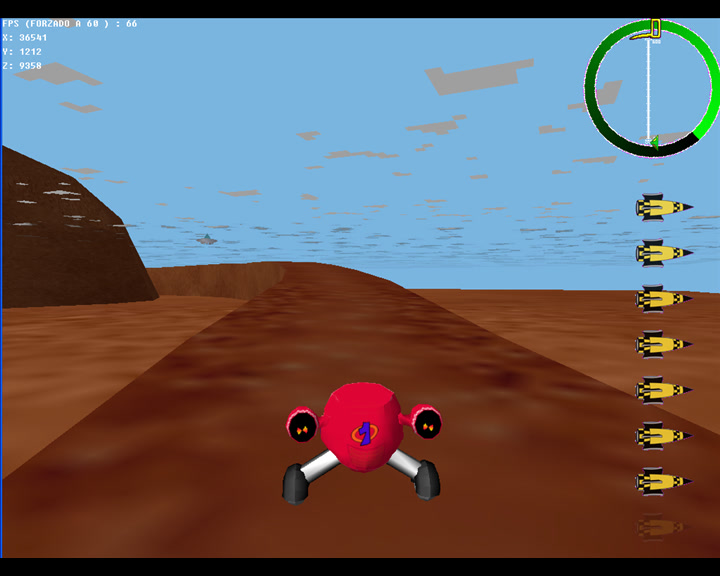
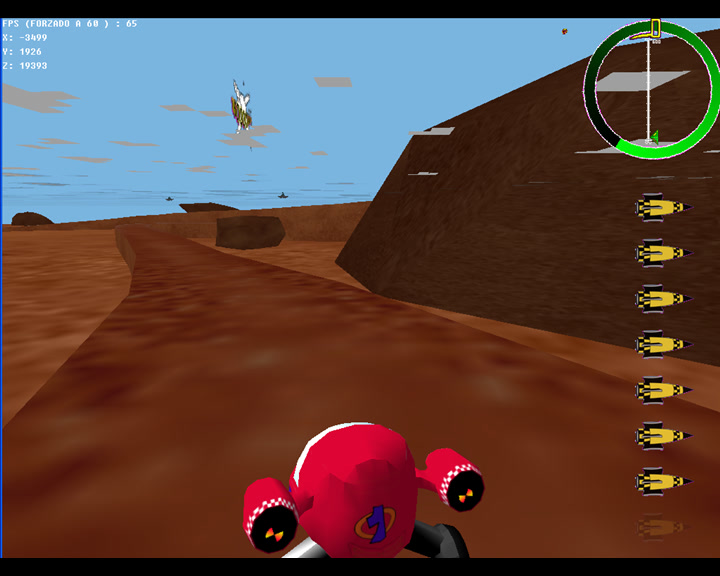
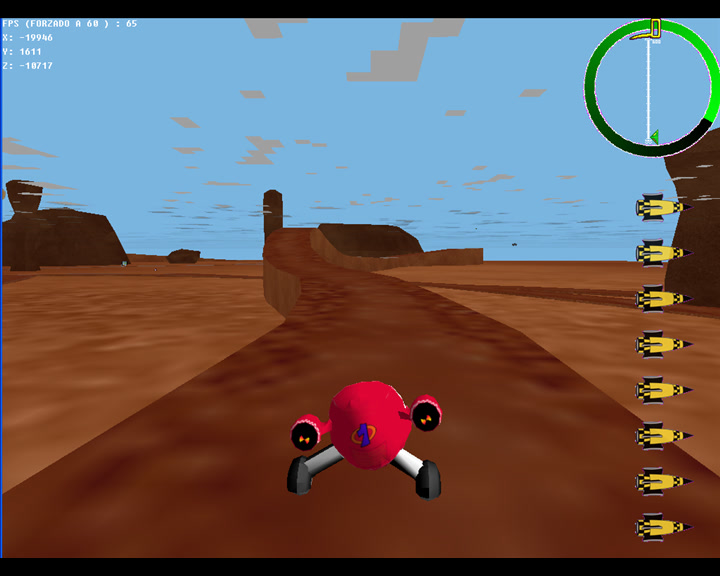
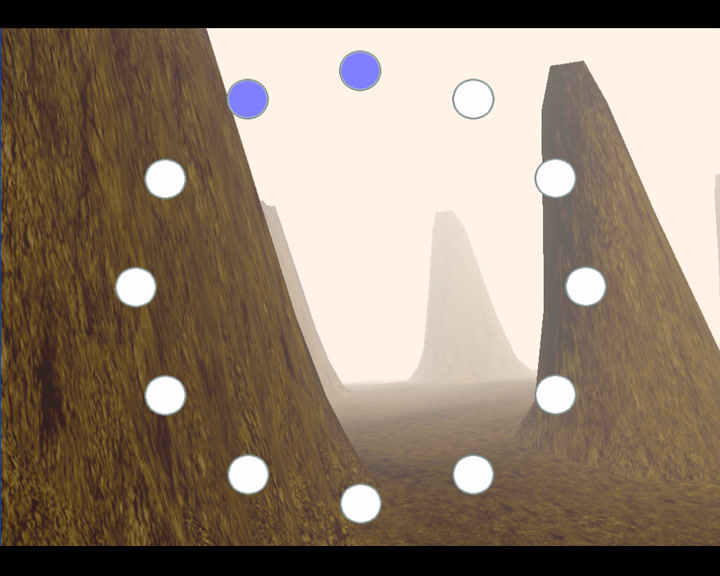
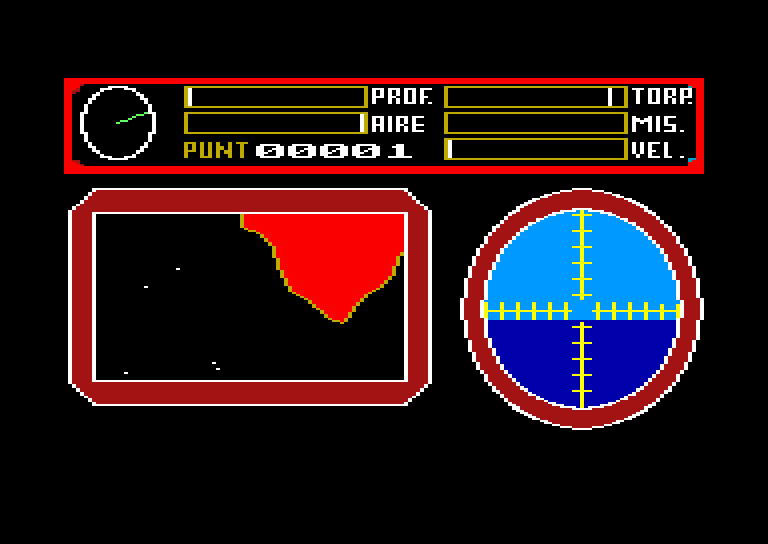
Rhea is one of the surviving 3D prototypes from 2005. It places the player in an open three-dimensional landscape, with a small vehicle, orientation indicators and an interface designed for movement and locating references within the environment.
It is no longer in circulation and is preserved as an archive piece. The available video was published later, in 2013, but the game and its development date from 2005.
Titan
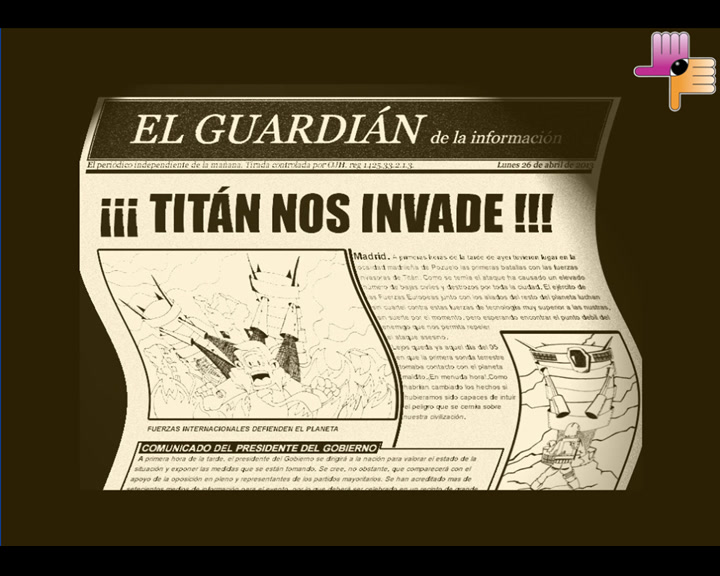
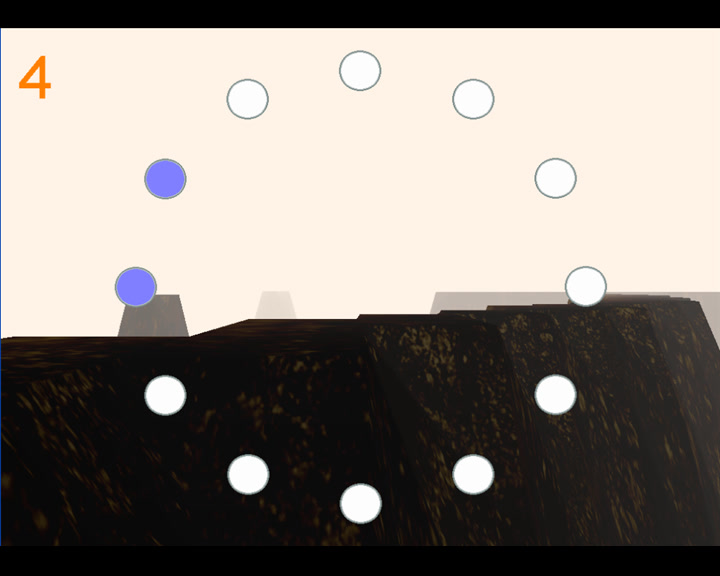
Titan also belongs to that 2005 period of experimentation and predates Rhea. The surviving material shows a very austere 3D environment, with rocky geometry, strong contrast and a circular visual-reference interface.
It is presented not as a current product but as documentation of an early phase of work with three-dimensional spaces, interaction and orientation.
The earlier path
Rhea and Titan did not appear out of nowhere. They were preceded by many years of programming and game development. These works predate Crannsoft and were not published by the company; they belong to the earlier careers of some of the professionals who would later become part of it.
Aselo and DIV Games
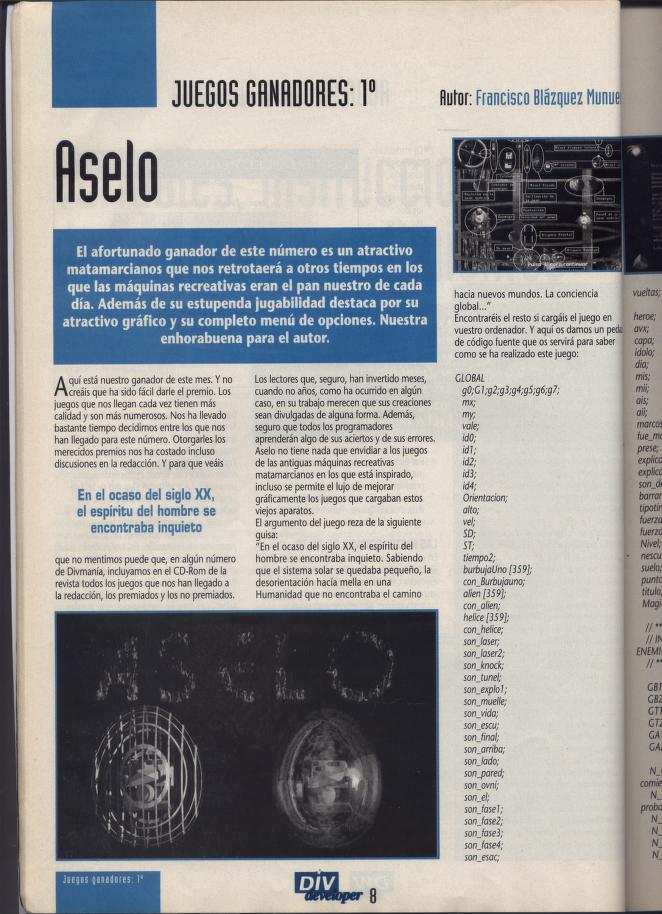
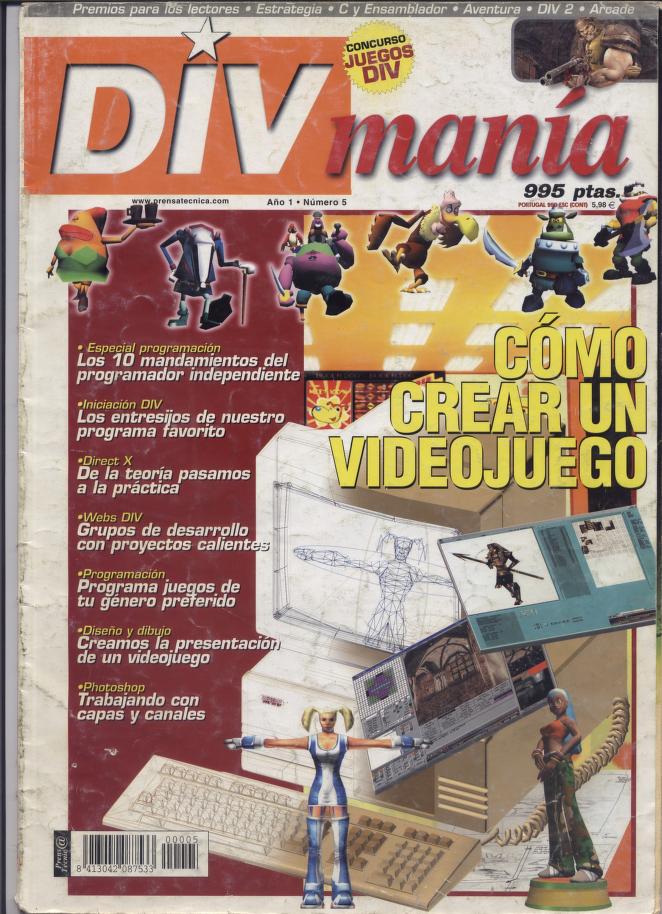
In 1998, Aselo received a Best Videogame of the Month recognition from DIV Games magazine. The surviving feature in DIV Mania belongs to that period and shows that game development remained an active line of work long after the earliest home-computer projects.
These awards are not Crannsoft awards. They are earlier milestones that help explain the experience from which the present-day project would eventually grow.
Cassette games and newsstand magazines
Between those first recognitions and 1998 there were many other games. It was the age of home microcomputers, and the Amstrad CPC was rapidly expanding into households.
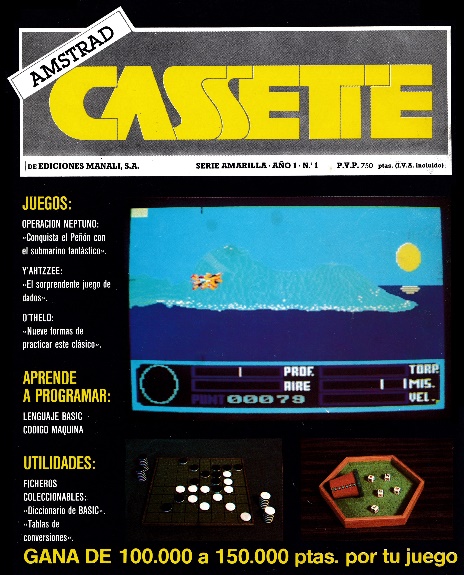
Some of this work reached players through a distribution model closely associated with the period: periodical magazines and collections sold at newsstands, with cassettes containing software and games. New programs, utilities and games could arrive every month, ready to be loaded directly from tape.
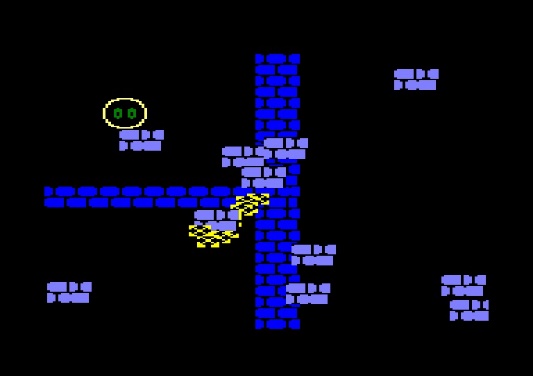
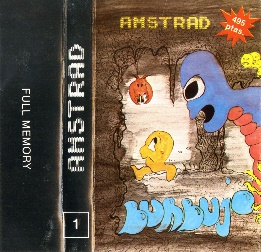
Time for Burbujo is only one surviving example from that production. It should not be understood as a single isolated project, but as a glimpse of a period in which numerous games were developed for this class of computer.
“Gráficas” and MicroHobby Amstrad
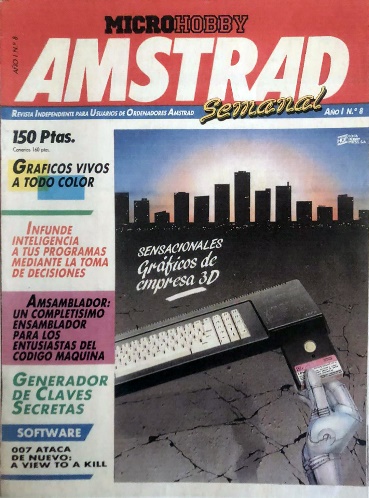
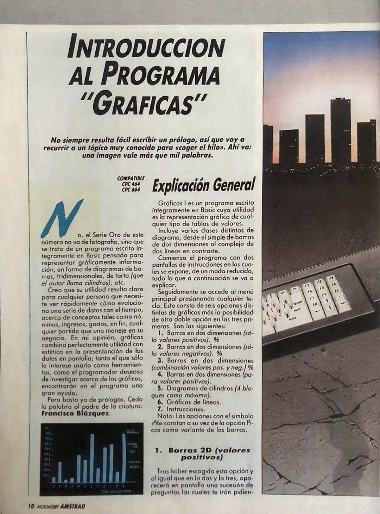
The oldest surviving point in this selection dates back to 1985. A program for the Amstrad CPC 464/64 Z80, Gráficas, was recognised by MicroHobby Amstrad in October of that year.
The original cover and article offer a direct view of an era in which programming for a home computer meant working extremely close to the hardware and extracting as much as possible from very limited resources.
The recognition may look modest today, but it has a particular value within this story: it shows that the drive to create software and games was already present decades before Crannsoft existed.
Long before Crannsoft, the path had already begun
Crannsoft did not exist in 1985, in 1998, or during many of these developments. The company today does, however, bring together experience accumulated by professionals who have spent decades working with software, games, interaction and 3D environments.
That is why these materials appear here: not as Crannsoft games, but as part of the background of the people and teams who would eventually help shape Crannsoft.
Other games, prototypes and projects were also developed throughout this trajectory, but some cannot be identified or described publicly because of confidentiality agreements (NDAs). This page therefore shows only a small selection of material that can be made public.