Drugs: NO
An apparently easier route ultimately creates dependence. Through gameplay itself, the player discovers that taking the pills offered by a character drains energy faster and faster and eventually makes the objective impossible to complete.

A 3D fantasy adventure in which the player’s decisions turn social values into gameplay mechanics.
Lumae - originally conceived as A volta de Lumae - was a videogame project developed by Vector Animado (Vecani) around a clear idea: use an engaging game to communicate human and social values without turning the experience into a tutorial.
Its fantasy world, inspired by the Celtic mythology of Galicia, provided the setting for three themes: rejecting drugs, respecting older people and caring for the environment.
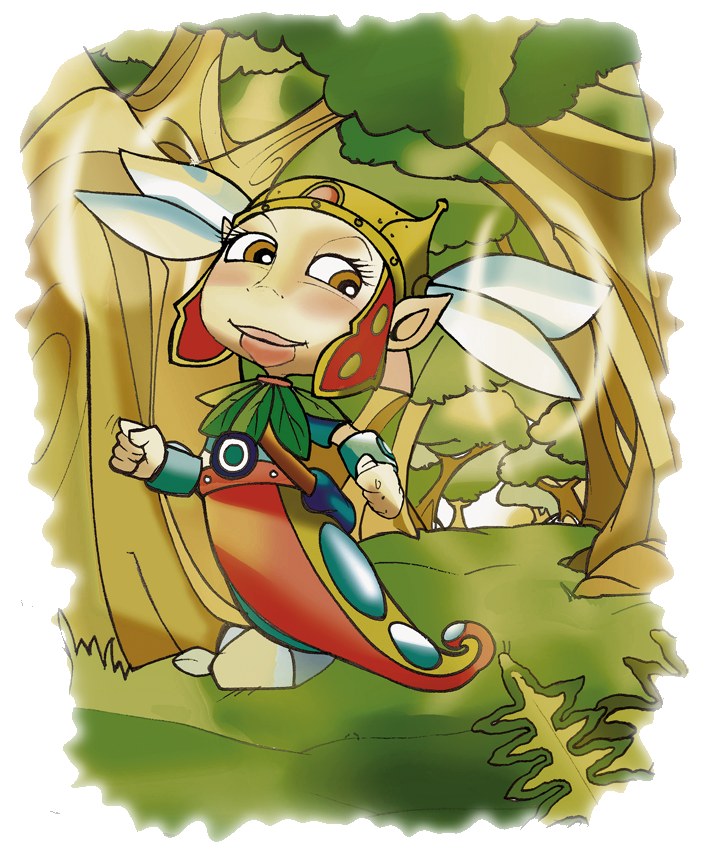
Lumae is the youngest daughter of the king of the Taiños, a legendary people connected to the forests and seas of Galicia. In the project’s story, the god Lug condemned them to live hidden away, transformed into whispers and blue shadows.
Half nymph and half warrior, Lumae leaves the secret lands of her people to travel through forests, islands and castles. The world combines references to Galician Celtic mythology with a colourful storybook and cartoon aesthetic.
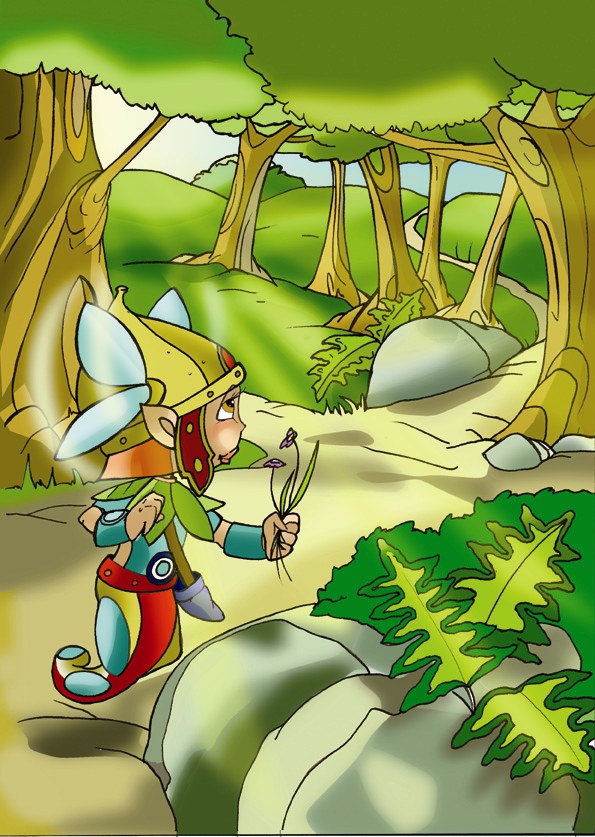
An apparently easier route ultimately creates dependence. Through gameplay itself, the player discovers that taking the pills offered by a character drains energy faster and faster and eventually makes the objective impossible to complete.
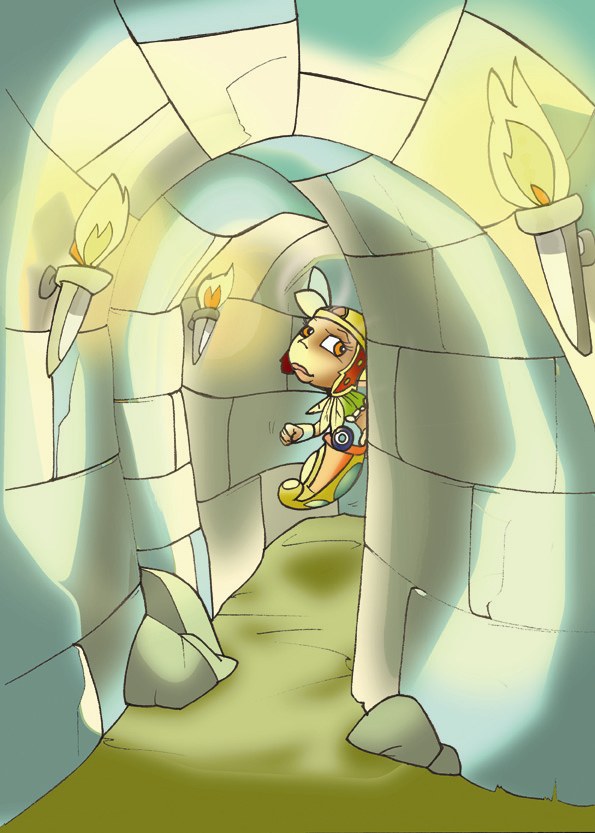
Inside the castle labyrinth, simply moving forward is not enough. Finding the correct route requires listening, helping others and relying on the experience of other characters, making respect and attention conditions for progress.
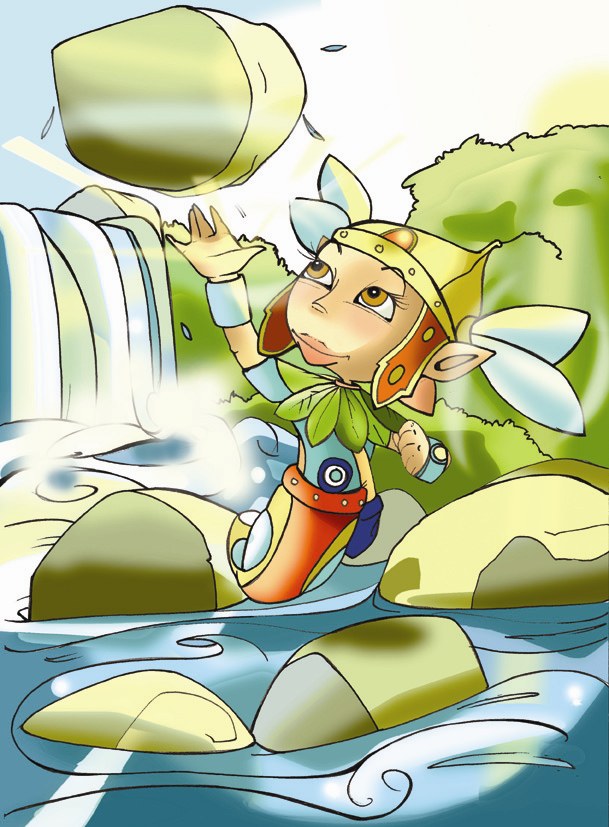
A fire takes the adventure into a Galician forest where Lumae must prevent further fires. Litter, waste and discarded cigarettes stop being abstract ideas and become part of the problem the player must solve.
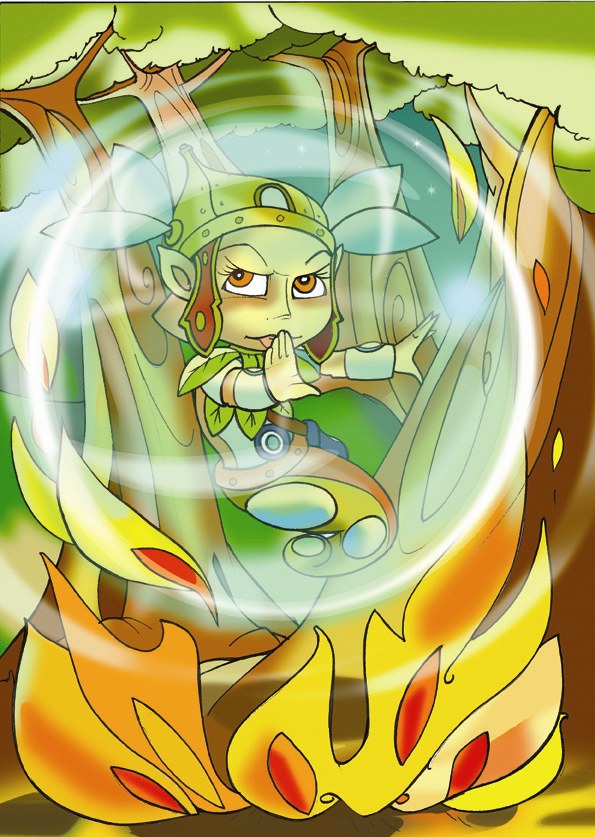
The original concept argued that an educational videogame could only work if it remained, first and foremost, a videogame. Lumae was therefore designed as a conventional 3D adventure, combining exploration, skill, logic and a visual presentation intended to hold the attention of a young audience.
The opening prototype introduced Lumae and the controls: explore an island, collect coins and find the entrance to the castle. From there, each level introduced new rules so that the social message emerged from decisions and consequences within the game system itself.
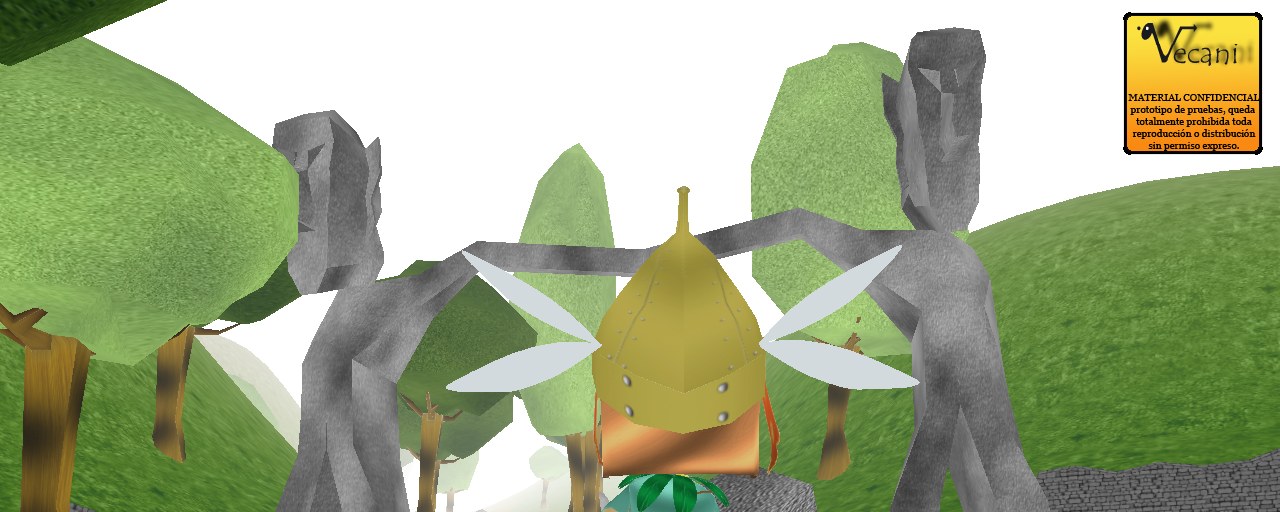
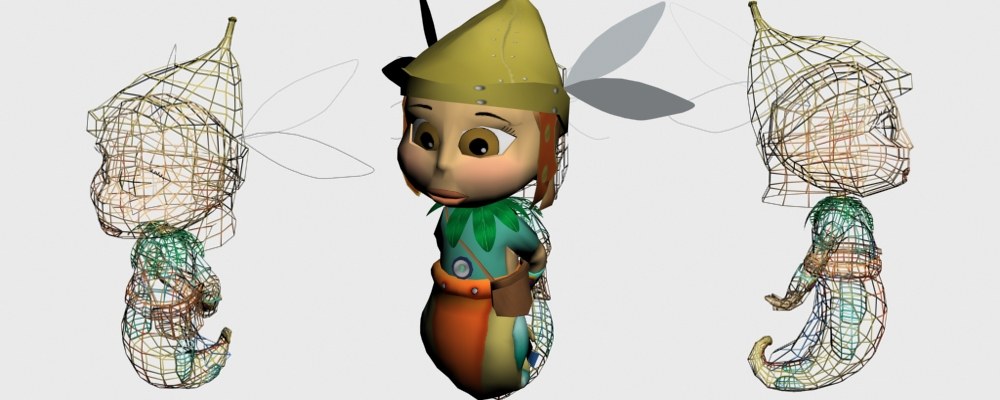
The project developed its script, characters, storyboard and a playable prototype to evaluate the complete experience. Illustrations established Lumae’s personality and world before they were translated into three-dimensional environments.
The result retains the unmistakable character of mid-2000s 3D: forests, castles, paths and fantasy spaces created for Windows and playable with keyboard, joystick or gamepad.
The music and soundscape of Lumae were created by Eduardo Tarilonte, giving the project a sonic identity consistent with its fantasy world and the warm, narrative tone of the adventure.
This video preserves footage from the project and shows Lumae’s visual and experimental character in its original context.
Lumae reflects an idea that remains part of Crannsoft’s philosophy: use the rules of a videogame to communicate, rather than simply placing an educational message around it.
Prevention, respect between generations and care for the environment were designed as situations the player had to understand through their own decisions.
Vector Animado (Vecani), the company responsible for the original development of Lumae, is now integrated into Crannsoft, bringing the experience and legacy of those projects into this new stage.